
 Matte Black
 Matte Green
 Matte White
 Stainless Steel
Dual Boiler / Heat Exchanger
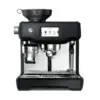 Black Truffle
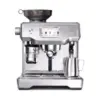 Brushed Stainless Steel
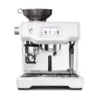 Sea Salt
Dual Boiler / Heat Exchanger
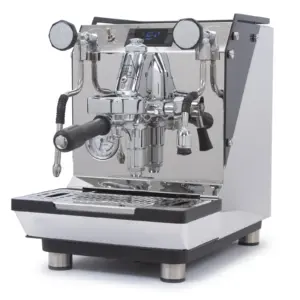
Dual Boiler / Heat Exchanger
Dual Boiler / Heat Exchanger
Dual Boiler / Heat Exchanger
 Stainless Steel
Espresso Machines
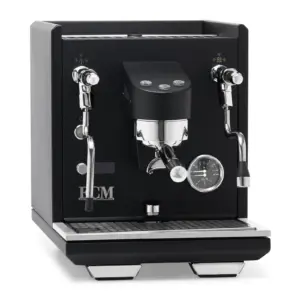
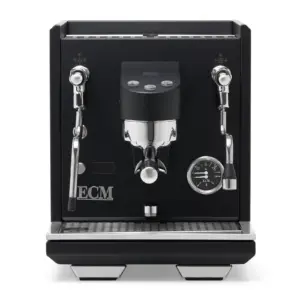
 Anthracite
 Blackened Oak
 Olive Wood
 Walnut
Dual Boiler / Heat Exchanger
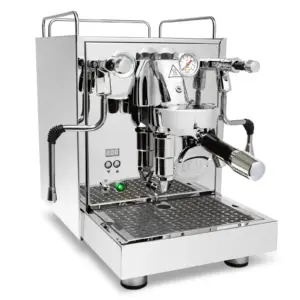
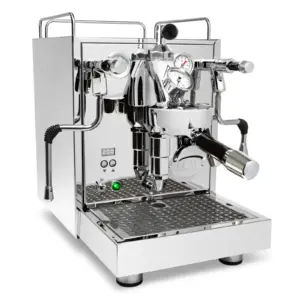
 Black
 Stainless Steel
Dual Boiler / Heat Exchanger
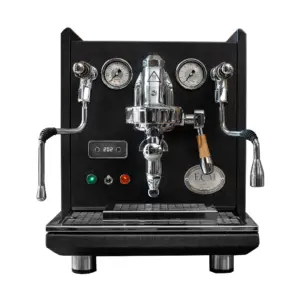
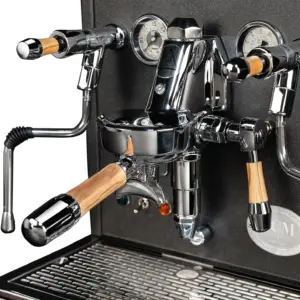
Dual Boiler / Heat Exchanger
ECM Synchronika 25th Anniversary Edition Dual Boiler Espresso Machine
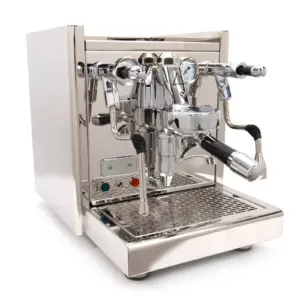
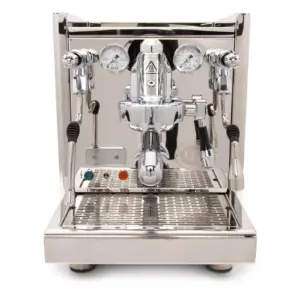
Dual Boiler / Heat Exchanger
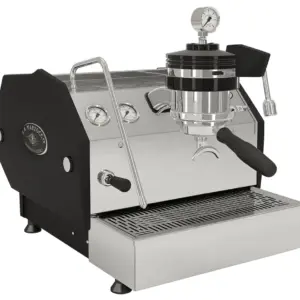
Dual Boiler / Heat Exchanger
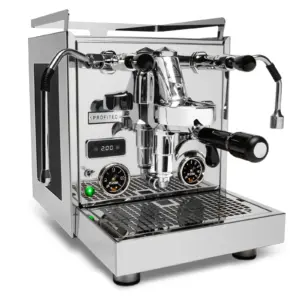
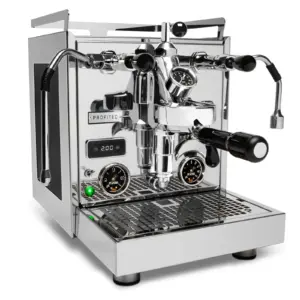
Dual Boiler / Heat Exchanger
Profitec Pro 600 Dual Boiler Espresso Machine with Quick Steam Plus
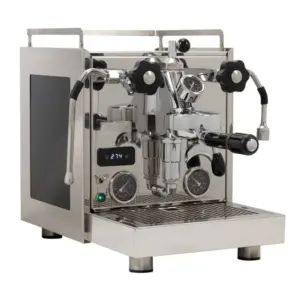
Dual Boiler / Heat Exchanger
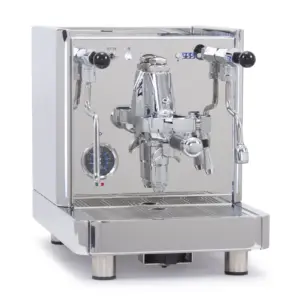
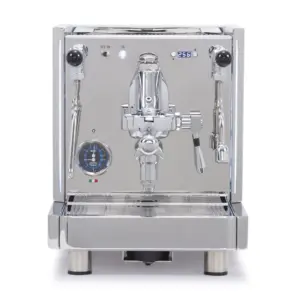
Dual Boiler / Heat Exchanger
 Amazonite
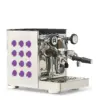 Amethyst
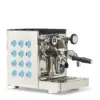 Aquamarine
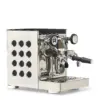 Black
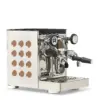 Copper
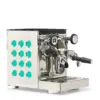 Emerald
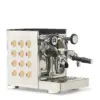 Gold
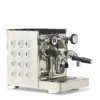 Iridescent
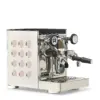 Rose Gold
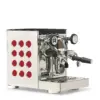 Ruby
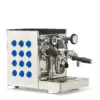 Sapphire
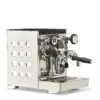 White
Espresso Machines
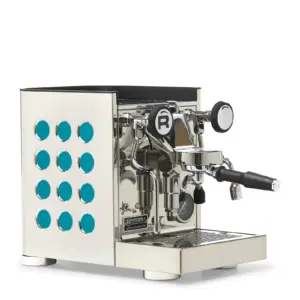
Rocket Espresso Appartamento TCA Espresso Machine – Stainless Steel with White Stripe
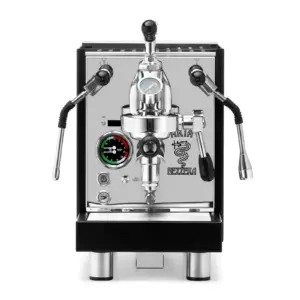
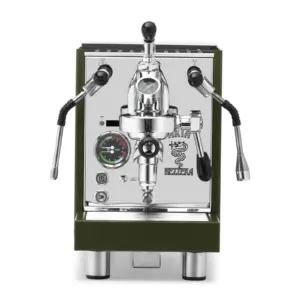
 Black
 Green
 Stainless Steel
 White
Dual Boiler / Heat Exchanger
Dual Boiler / Heat Exchanger
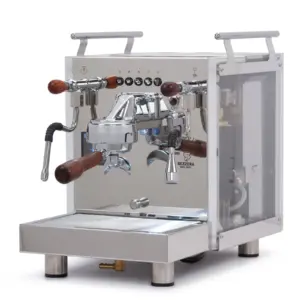
Dual Boiler / Heat Exchanger
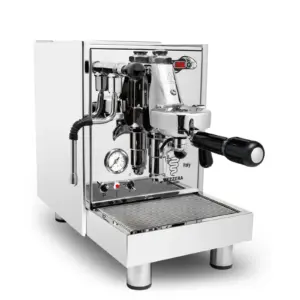
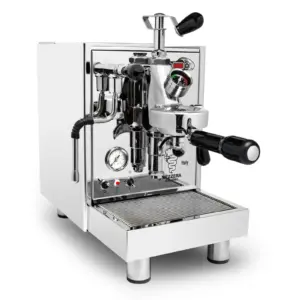
 Black
 Red
 Stainless Steel
 White
Espresso Machines
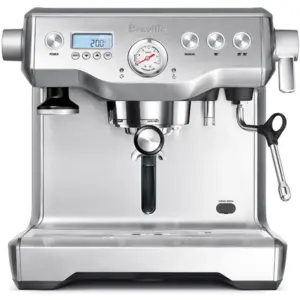
Dual Boiler / Heat Exchanger
 Stainless Steel
Dual Boiler / Heat Exchanger
Dual Boiler / Heat Exchanger
Dual Boiler / Heat Exchanger
Dual Boiler / Heat Exchanger
Prosumer: frequently asked questions
Single boiler, heat exchanger or dual boiler: what's the difference?
A single boiler machine uses one boiler for both brewing and steaming, so you wait for it to change temperature between the two. That works well if you mostly drink espresso or make an occasional milk drink. A heat exchanger machine keeps one large boiler at steam temperature and heats fresh brew water as it passes through a tube inside that boiler, so you can brew and steam at the same time. A dual boiler machine has separate brew and steam boilers, which lets you brew and steam at once and set the brew temperature directly. If you often make several milk drinks in a row, a heat exchanger or dual boiler will save you waiting time.
What is a PID, and do I need one?
A PID is an electronic temperature controller. It holds the boiler at a set temperature more steadily than a mechanical pressurestat or thermostat, and it lets you adjust that temperature precisely. Stable brew temperature makes shots more consistent, and an adjustable setting helps you fine-tune for lighter or darker roasts. You can make good espresso without one, but if consistency and control matter to you, it's a feature worth looking for. On a heat exchanger machine, the PID usually controls the steam boiler, so it affects brew temperature only indirectly.
What is an E61 group head?
The E61 is a group head design first introduced in 1961 and still used on many machines today. Its heavy chrome-plated brass body is kept hot by water circulating from the boiler, and a small chamber inside softens the initial pressure, giving the coffee a brief pre-infusion. It's a proven, easy-to-service design that uses standard 58 mm portafilters, and replacement gaskets and shower screens are widely available. The trade-off is warm-up time: all that brass usually needs 20 to 30 minutes or more to reach a stable temperature.
Do I need a separate grinder?
With most espresso machines, yes. Espresso needs a fine, consistent grind that you can adjust in small steps, and coffee tastes best when it's ground right before brewing. Pre-ground coffee is rarely fine enough for standard baskets, and you can't adjust it to dial in your shots. Machines with a built-in grinder and super-automatic machines grind for you, but with any other machine, plan for the grinder to matter as much as the machine itself.
Rotary or vibratory pump: what's the difference?
Both pump types produce the pressure espresso needs, so the choice is mostly about noise, durability and plumbing. Vibratory pumps are compact and common in home machines; they're louder and build pressure gradually. Rotary pumps are quieter, built for heavy use and reach full pressure almost immediately. Machines that can be plumbed directly into a water line almost always use a rotary pump, though not every rotary pump machine offers that option.
Should I choose a water tank or a direct water connection?
A water tank lets you put the machine anywhere and control exactly what water goes in, but you'll need to refill it, and a larger tank means fewer refills. A direct connection, often called plumbing in, feeds the machine from a water line so it never runs out, but it requires a nearby water supply and a machine designed for it. A plumbed-in machine usually needs a filter or softener matched to your water, and some can also drain the drip tray directly. Check the manufacturer's installation requirements before you buy.
How long does an espresso machine take to heat up?
It depends on the design and how much metal has to heat. Machines with a thermoblock or thermocoil can be ready in a minute or two, and compact single boiler machines often need about 10 to 20 minutes to stabilize. Heat exchanger and dual boiler machines with a heavy E61 group usually need 20 to 30 minutes or more. Many machines reach boiler temperature before the group head is fully heated, so the ready light isn't always the whole story. If your machine has a programmable timer, you can have it warm by the time you want coffee.
Semi-automatic or super-automatic: which is right for me?
With a semi-automatic machine, you grind, dose and tamp the coffee yourself and start and stop each shot, which gives you full control but takes practice. Automatic, or volumetric, machines work the same way but stop the shot for you at a programmed volume. Super-automatic machines grind, dose and brew at the touch of a button, and many also froth milk, trading some control for convenience. If you enjoy the process and want to refine your shots, a semi-automatic is the better fit; if you want espresso drinks with minimal effort, look at super-automatics.