
All Purpose Grinders
 Chrome
 Matte Black
All Purpose Grinders
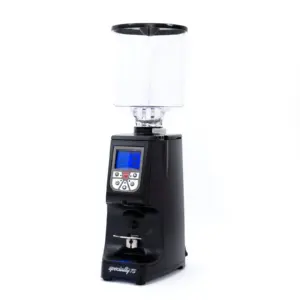
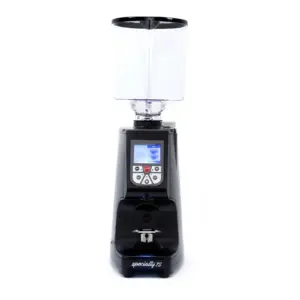
 Chrome
 Matte Black
All Purpose Grinders
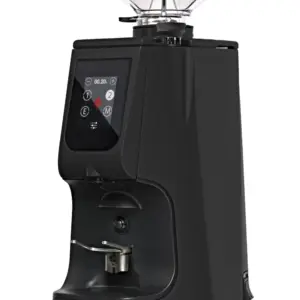
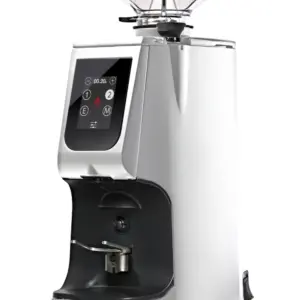
 Chrome
 Ferrari Red
 Grey
 Matte Black
 White
Espresso Grinders
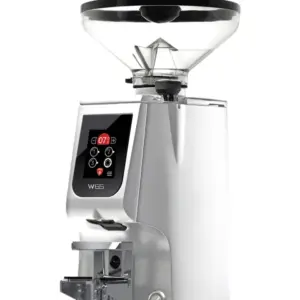
 Chrome
 Ferrari Red
 Grey
 Matte Black
 White
Espresso Grinders
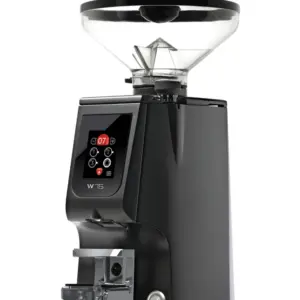
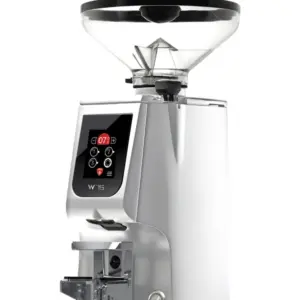
 Chrome
 Ferrari Red
 Grey
 Matte Black
 White
Espresso Grinders
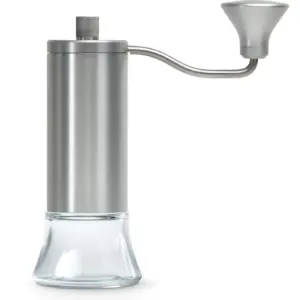
 Anodized Aluminum
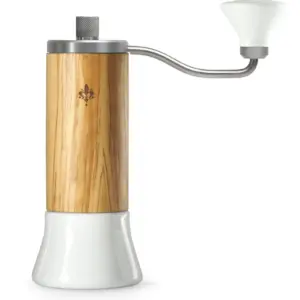
 Olive
 Walnut
All Purpose Grinders
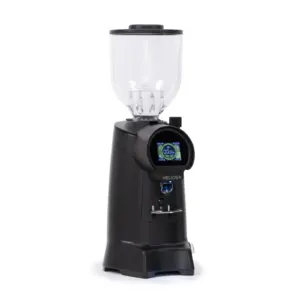
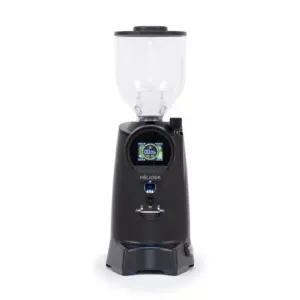
 Chrome
 Ferrari Red
 Grey
 Matte Black
 White
 Yellow
Espresso Grinders
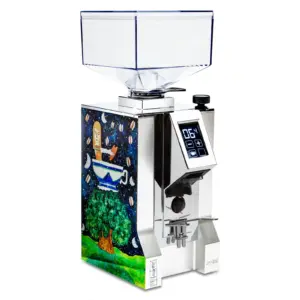
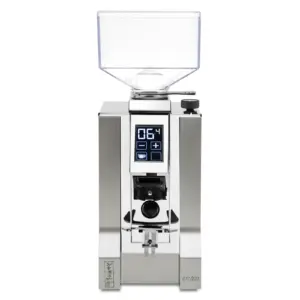
 Blue
 Ferrari Red
 Grey
 Matte Black
 Tiffany Blue
 White
Coffee Grinders
All Purpose Grinders
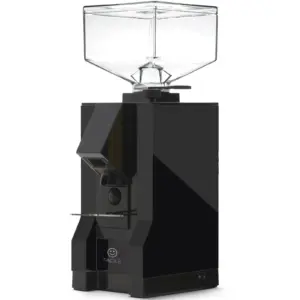
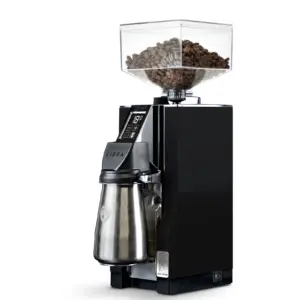
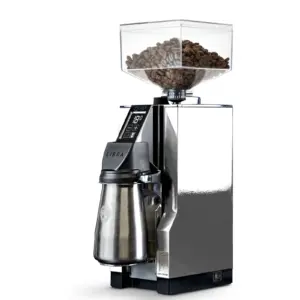
 Chrome
 Ferrari Red
 Grey
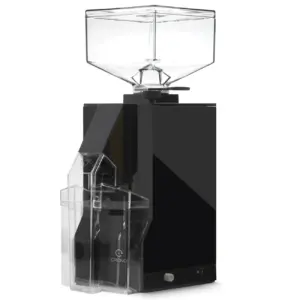
 Matte Black
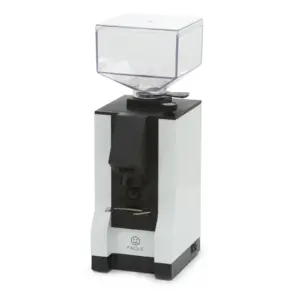
 White
Coffee Grinders
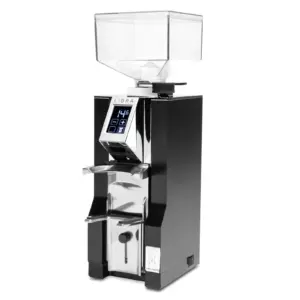
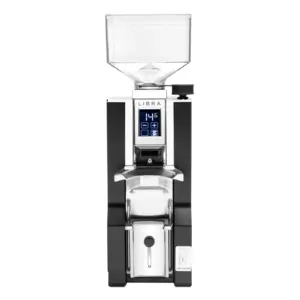
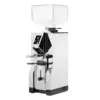 Chrome
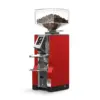 Ferrari Red
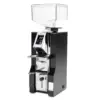 Matte Black
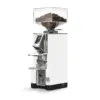 White
Espresso Grinders
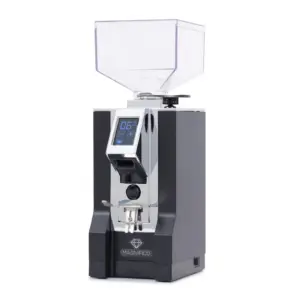
 Amaranth
 Blue
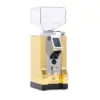 Dubai Gold
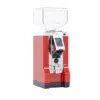 Ferrari Red
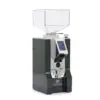 Gourmet Green
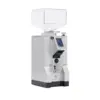 Grey
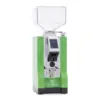 Lime Green
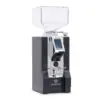 Matte Black
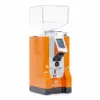 Orange
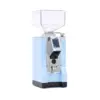 Pale Blue
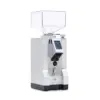 Polished Natural Silver
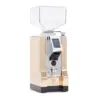 Rose Gold
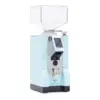 Tiffany Blue
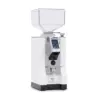 White
 Yellow
All Purpose Grinders
 Aged Copper
 Anthracite
 Beige
 Black Chrome
 Black Texture
 Blue
 Chrome
 Dubai Gold
 Ferrari Red
 Gloss Black
 Gourmet Green
 Grey
 Ivory
 Lime Green
 Matte Black
 Moka Brown
 Orange
 Pale Blue
 Pearl Gold
 Pink Gold
 Pink Le Bar
 Polished Natural Silver
 Raspberry Red
 Ruby Red
 Siliceous Grey
 Tiffany Blue
 White
 White Texture
 Yellow
Espresso Grinders
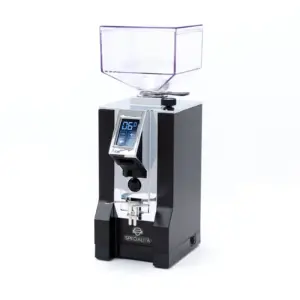
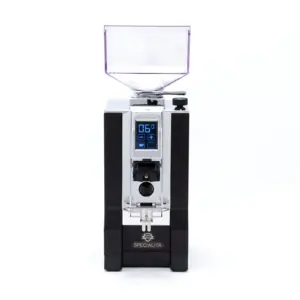
 Aged Copper
 Amaranth
 Black Chrome
 Blue
 Chrome
 Dubai Gold
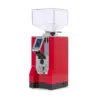 Ferrari Red
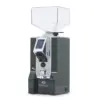 Gourmet Green
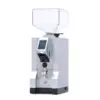 Grey
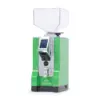 Lime Green
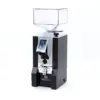 Matte Black
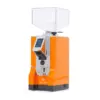 Orange
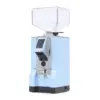 Pale Blue
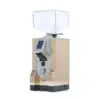 Pink Gold
 Polished Natural Silver
 Tiffany Blue
 White
 Yellow
All Purpose Grinders
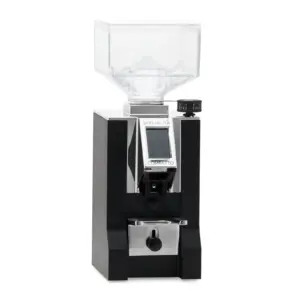
 Ferrari Red
 Matte Black
 White
Espresso Grinders
 Blue
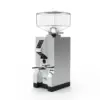 Chrome
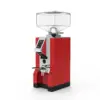 Ferrari Red
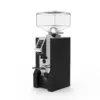 Matte Black
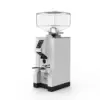 White
Espresso Grinders
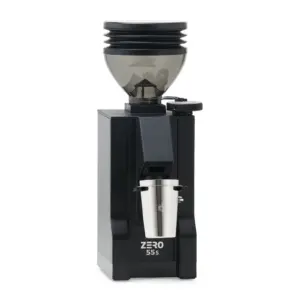
 Blue
 Chrome
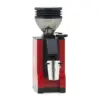 Ferrari Red
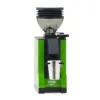 Lime Green
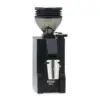 Matte Black
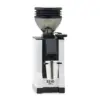 White
All Purpose Grinders
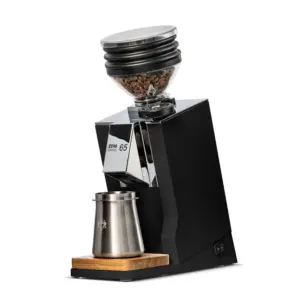
 Black
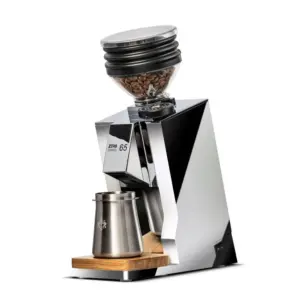
 Chrome
 White
Espresso Grinders
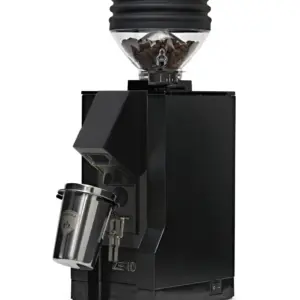
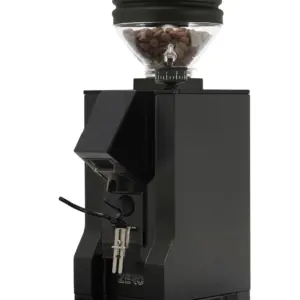
 Blue
 Chrome
 Ferrari Red
 Lime Green
 Matte Black
 White
Espresso Grinders
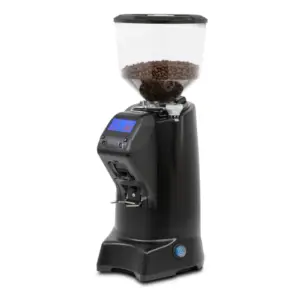
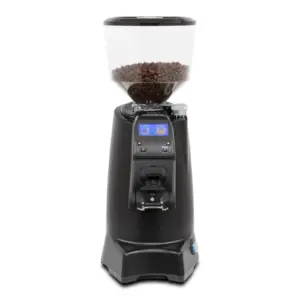
 Grey
 Matte Black
 White
Espresso Grinders
Grinders: frequently asked questions
Flat or conical burrs: which is better?
Both can make excellent coffee, and the quality, size and alignment of the burrs matter more than their shape alone. Conical burrs are common in compact and hand grinders and are often associated with a fuller-bodied cup. Flat burrs are often associated with a more uniform grind and more flavor clarity. These are tendencies rather than rules, so weigh them alongside build quality, adjustment and how the grinder fits your routine.
Does burr size matter?
Larger burrs have more cutting surface, so they grind faster and can produce a consistent grind with less heat. That's most noticeable when you grind a lot of coffee at once. For one or two doses at a time, a well-made grinder with smaller burrs can perform very well, because burr design and alignment matter as much as diameter. Larger burrs usually mean a larger, heavier grinder, so check the dimensions against your counter space.
What is single dosing?
Single dosing means weighing out the beans for one shot or one brew, grinding all of them and leaving nothing in the grinder. Your beans stay sealed in their container until you use them, and switching between coffees is easy. It works best with a low-retention grinder designed for it, and it adds a weighing step to your routine. If you drink the same coffee every day and go through a bag quickly, a grinder with a hopper is more convenient.
Stepped or stepless adjustment?
A stepped grinder clicks between fixed settings, which makes it easy to return to a setting or switch between brew methods. For espresso, though, the steps have to be small enough to fine-tune your shots. A stepless grinder lets you choose any point in its range, which gives you the finest control when dialing in espresso, but returning to an exact setting is harder unless the grinder has clear markings. For filter coffee alone, stepped adjustment is usually enough.
What is grind retention, and why does it matter?
Retention is the ground coffee that stays inside the grinder, in the burr chamber and the exit chute, after you finish grinding. That old coffee goes stale and ends up in your next dose, and it makes the amount that comes out differ from what you put in. Low retention matters most if you single dose or switch coffees often. With a higher-retention grinder, purging a little coffee before each dose and cleaning the grinder regularly helps.
Can one grinder handle both espresso and filter coffee?
Many grinders can, but most are better at one than the other. Espresso needs very fine, precise adjustment, while filter coffee needs a coarser setting and an even grind. If you'll switch often, look for a grinder with a wide range and clear, repeatable settings, and expect to re-dial your espresso after each switch. If you brew both every day, a dedicated espresso grinder plus a second grinder for filter can be simpler.
Is a hand grinder good enough for espresso?
A quality hand grinder with fine adjustment can grind well for espresso, and it's quiet, compact and easy to travel with. The trade-off is effort and time, since grinding fine for espresso takes noticeably longer than grinding for filter coffee. It suits someone making one or two drinks a day; if you make more, an electric grinder is more practical. Not every hand grinder adjusts finely enough for espresso, so check before you buy.
Timed dosing, grind by weight or single dosing: how do they differ?
A timed grinder runs for a set number of seconds, which gives consistent doses as long as your beans and grind setting stay the same. A grind-by-weight grinder uses a built-in scale to stop at a target weight, so doses stay consistent even when you change the setting. With single dosing, you weigh the beans before grinding, so you don't need either feature. Whatever the method, a small scale is the easiest way to check your dose.